As an avid outdoor enthusiast, I've spent countless winters battling the elements, always searching for that sweet spot between staying warm and avoiding overheating. The challenge of finding the ideal active headwear system for winter has been a constant quest. It's not just about slapping on a hat; it's about dynamic comfort, adaptability, and protection against wind, snow, and sun. I've tried many combinations, learned from my mistakes, and finally feel like I’ve cracked the code for staying comfortable in even the harshest conditions.
My initial approach to winter headwear was pretty basic. I started with a simple ultralight Smartwool merino beanie, weighing a mere 26 grams. It felt light and packed down small, which was great for my minimalist mindset. I paired this with lots of hoods – every jacket, mid-layer, and sometimes even my base layer had one. The idea was to just add or remove hoods as needed. Sometimes, if I felt a slight chill, I'd add a Smartwool 250 headband for a bit of extra ear insulation.
While this system worked okay for milder days, it quickly showed its limitations. The beanie alone wasn't enough when the wind picked up or temperatures really plummeted. And relying solely on hoods could be cumbersome; they often restricted my peripheral vision or felt bulky when layered. I found myself constantly adjusting, pulling hoods up, then down, then struggling with the beanie underneath. It was functional, but far from ideal for truly active pursuits like snowshoeing, winter hiking, or cross-country skiing.
Through trial and error, and by paying close attention to what seasoned winter adventurers were doing, I began to piece together a more effective strategy. I discovered that a truly effective active headwear system for winter isn't about one single item, but a smart combination of versatile pieces.
One of the first revelations I had was the sheer versatility of a buff. I learned a trick from someone who swore by wearing a buff like a babushka under a ball cap. This might sound a little unusual, but combined with multiple hooded layers, it offered an incredible range of adjustability. I could pull the buff up over my ears and neck, then add a hood from my fleece, and another from my shell jacket. This way, I could add and remove hoods as necessary, creating micro-climates around my head and neck without having to take off my main hat or balaclava. It was a revelation in adaptability, allowing me to fine-tune my warmth level with ease.
When the cold truly bites, nothing, I found, will ever beat a balaclava. I used to think they were just for extreme conditions, but I quickly realized that for active use in genuinely cold weather, coverage is often more important than sheer insulation. A good balaclava seals in warmth around your face, neck, and head, preventing those tiny drafts that can make you feel miserable. It protects exposed skin from windburn and frostbite, and it does so without hindering movement. I also learned about advanced options, like a Brynje Arctic Balaclava, which features a super thermo layer under a wool layer. This kind of specialized design, especially when combined with a zip-neck top, felt like a powerful combination for staying dry and warm, playing very well with my other layers.
Perhaps the most unexpected but incredibly effective discovery I made was the value of a warm hat with a brim. I'll admit, it might make you look a bit like a "tool," as one person put it, but the benefits are undeniable. It keeps your ears warm, which is crucial, but more importantly, the brim keeps snow and sun out of your eyes. This is a game-changer for visibility, especially on bright, snowy days or when light snow is falling. Unlike some hoods, it doesn't impede peripheral vision or movement. I found that combining a brimmed hat with a turtleneck, scarf, buff, or balaclava as needed created an incredibly robust and adaptable system. It's the kind of simple, practical solution that often gets overlooked.
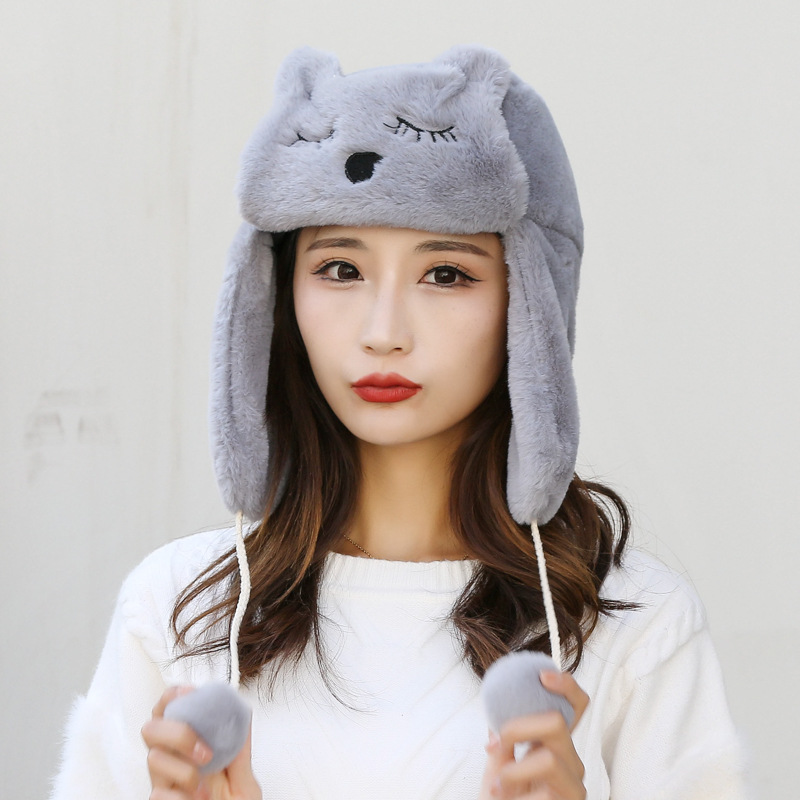
My search for the perfect brimmed hat led me to discover some fantastic multi-functional options. For anyone looking for versatile and warm headwear solutions, I highly recommend exploring the range of products available at WholeCustomDesign Global. They offer a range of products designed for various winter conditions, making it easier to find your perfect active headwear system for winter. One particular item that caught my eye and has become a staple in my winter kit is the Unisex Full Ski Hat with Bear Ear Balaclava Knitted Hats Windproof Skullies Beanies Bonnet Winter Warm Caps Bomber Hat for Women (GRAY-54-58cm). This ingenious design combines the best aspects of several headwear types into one. It’s a knitted hat that functions as a windproof beanie and a balaclava, giving full coverage to the head, face, and neck. The "bear ear" detail adds a fun touch, but the real benefit is its ability to protect against biting winds and snow. I found it incredibly effective for keeping my head warm and dry, even during intense activity in harsh conditions. It truly embodies the spirit of versatility and effective coverage I was seeking.
While many people advocate for using lots of hoods, I politely disagree that it's the only way. I also explored specialized beanies. For moderately cold conditions, I tried making my own (MYOG) Alpha 120 beanie. The Alpha Direct fabric is incredibly breathable and warm for its weight, making it excellent for high-output activities where you need to dump heat quickly but still retain some warmth. For truly extreme cold, like sub-zero Fahrenheit temperatures, I have a very heavy, almost ridiculously ugly, tourist shop beanie. It feels like it has a thermal reactor installed in it, and despite its appearance, I absolutely love it for its sheer warmth and protection when nothing else quite cuts it.
Based on my extensive trials, here are some practical tips to help you build your own effective active headwear system for winter: